

Figures from the Five-Year WMAP papers in a form suitable for use in talks.
Please acknowledge the WMAP Science Team when using
these images.
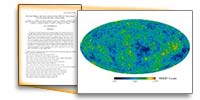
Hinshaw, et al. Figures from the paper "Five-Year Wilkinson Microwave Anisotropy Probe (WMAP) Observations: Data Processing, Sky Maps, and Basic Results" in a form suitable for use in talks. Please acknowledge the WMAP Science Team when using these images.
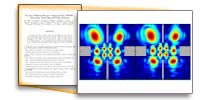
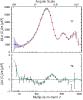
Hill, et al. Figures from the paper "Five-Year Wilkinson Microwave Anisotropy Probe (WMAP) Observations: Beam Maps and Window from WMAP Data" in a form suitable for use in talks. Please acknowledge the WMAP Science Team when using these images.
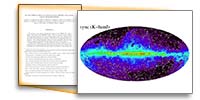
Gold, et al. Figures from the paper "Five-Year Wilkinson Microwave Anisotropy Probe (WMAP) Observations: Galactic Foreground Emission from WMAP Data" in a form suitable for use in talks. Please acknowledge the WMAP Science Team when using these images.
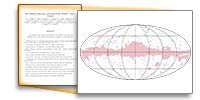
Wright, et al. Figures from the paper "Five-Year Wilkinson Microwave Anisotropy Probe (WMAP) Observations: Point Source Catalog from WMAP Data" in a form suitable for use in talks. Please acknowledge the WMAP Science Team when using these images.
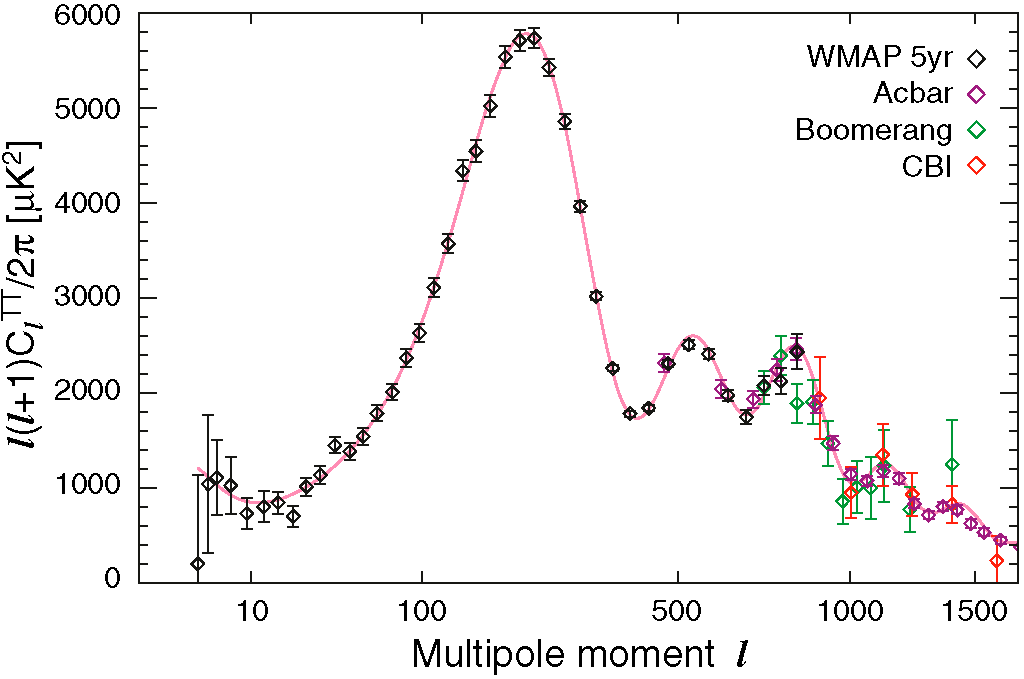
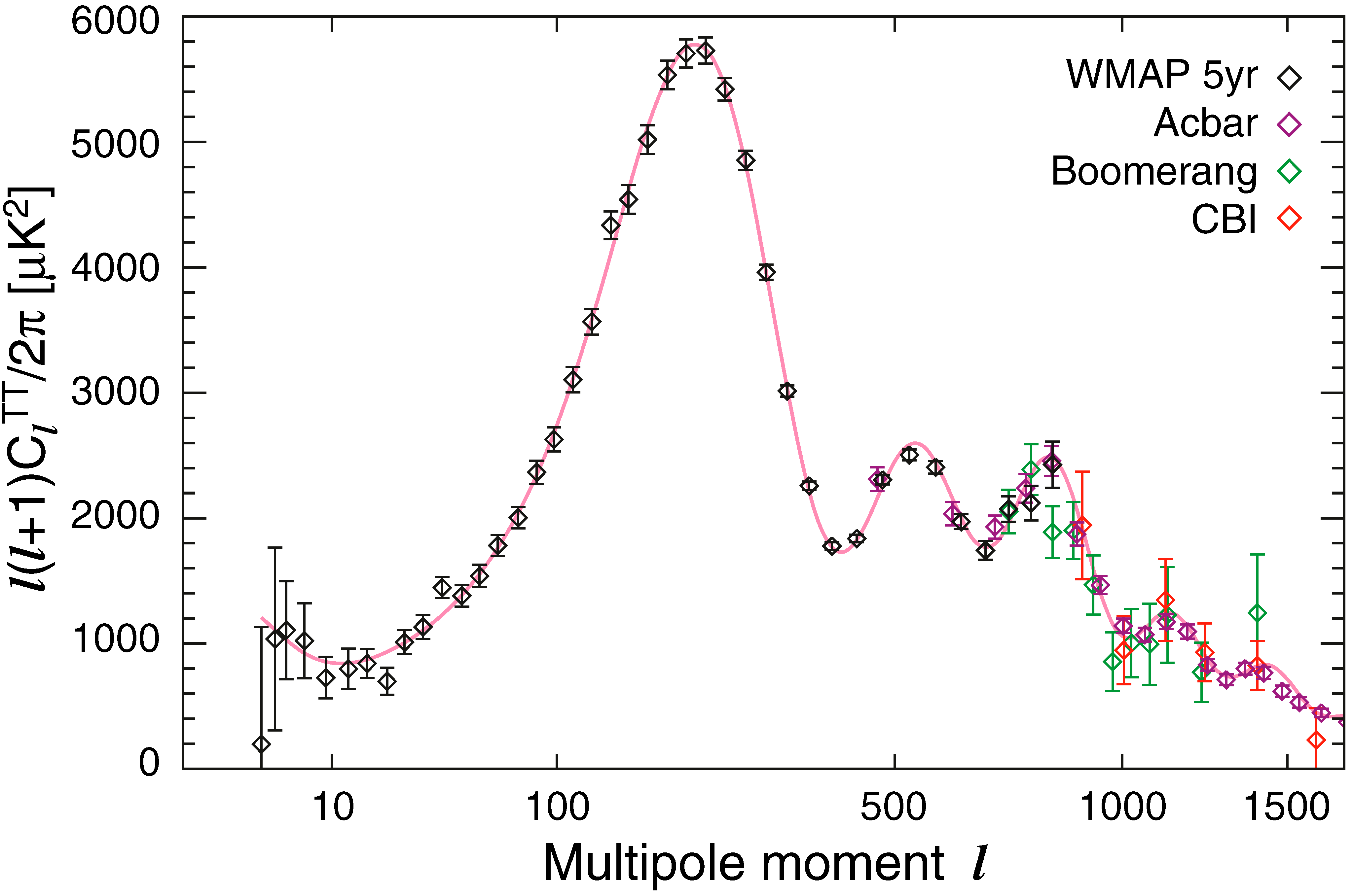
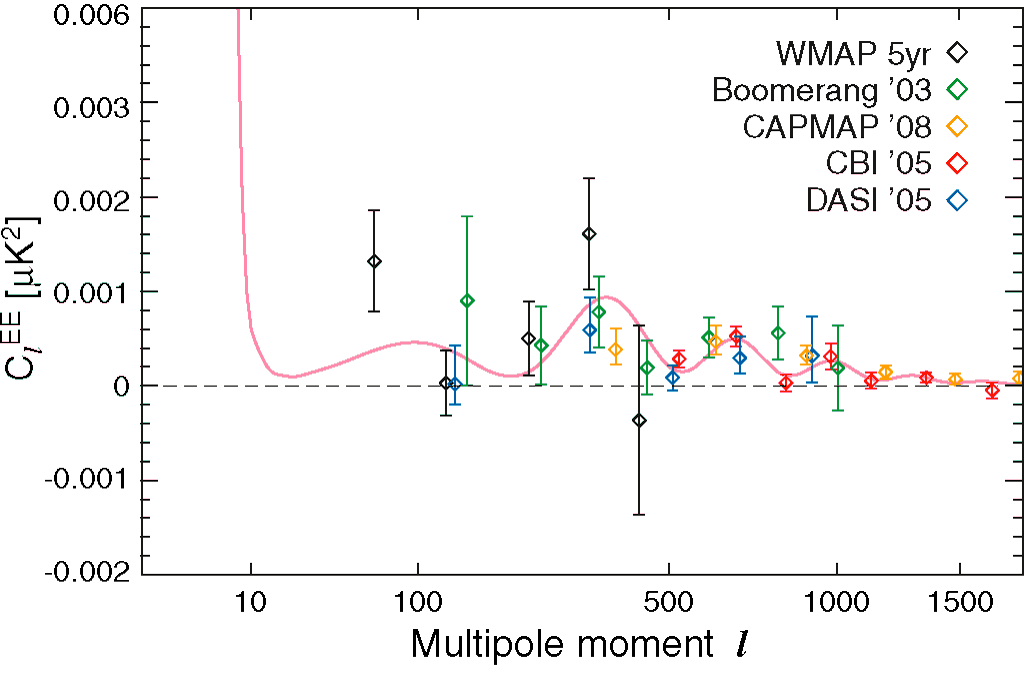
Nolta, et al. Figures from the paper "Five-Year Wilkinson Microwave Anisotropy Probe (WMAP) Observations: Angular Power Spectra From WMAP Data" in a form suitable for use in talks. Please acknowledge the WMAP Science Team when using these images.
Dunkley, et al. Figures from the paper "Five-Year Wilkinson Microwave Anisotropy Probe (WMAP) Observations: Data Processing, Liklihoods, and Parameters" in a form suitable for use in talks. Please acknowledge the WMAP Science Team when using these images.
Komatsu, et al. Figures from the paper "Five-Year Wilkinson Microwave Anisotropy Probe (WMAP) Observations: Cosmological Interpretation From WMAP Data" in a form suitable for use in talks. Please acknowledge the WMAP Science Team when using these images.
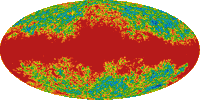
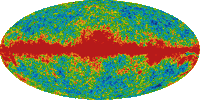
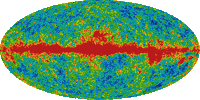
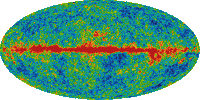
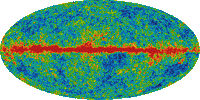
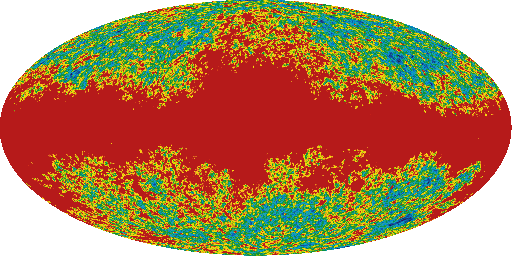
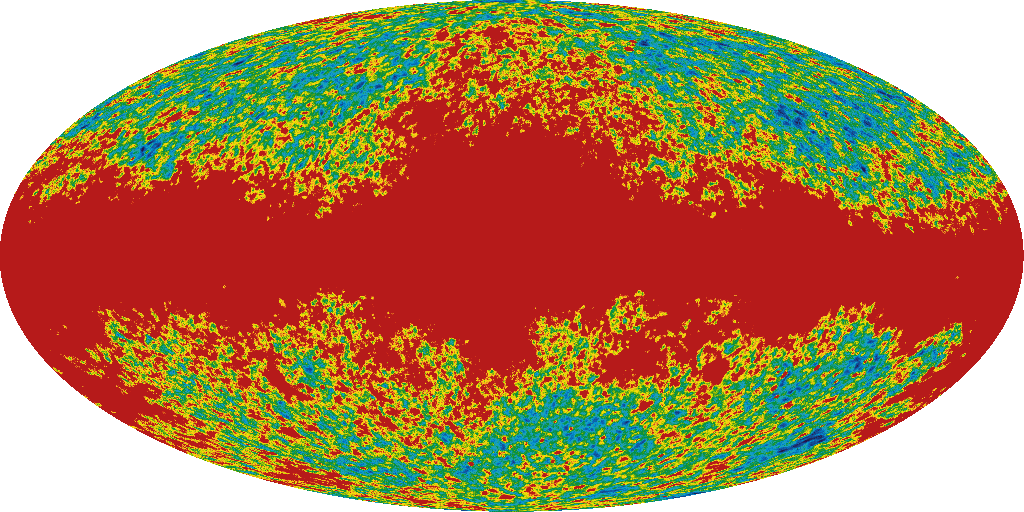
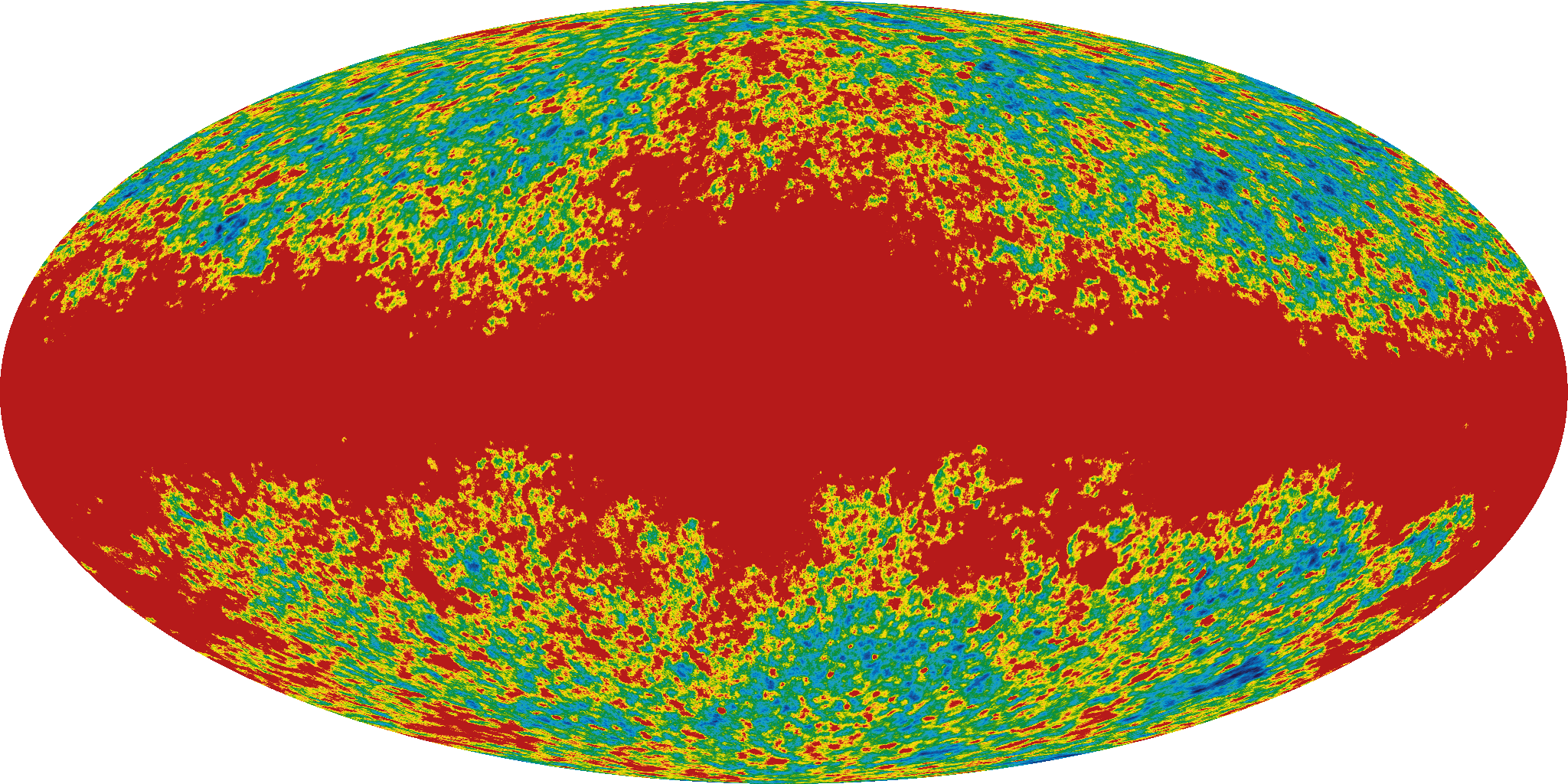
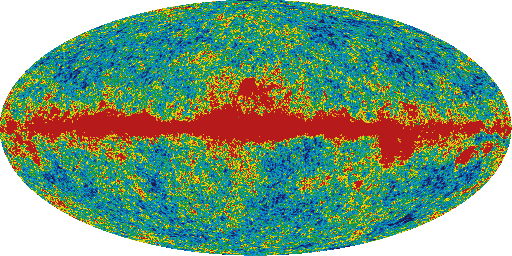
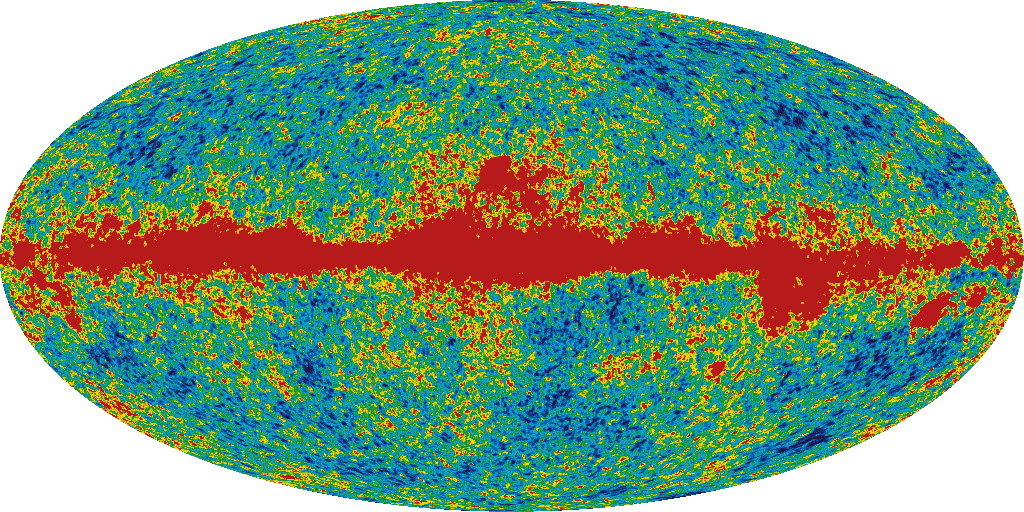
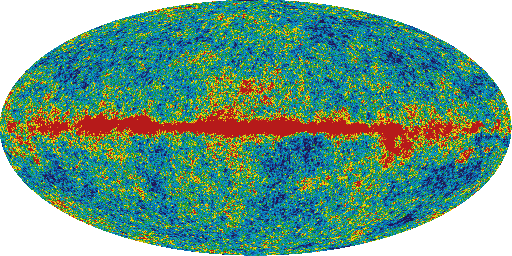
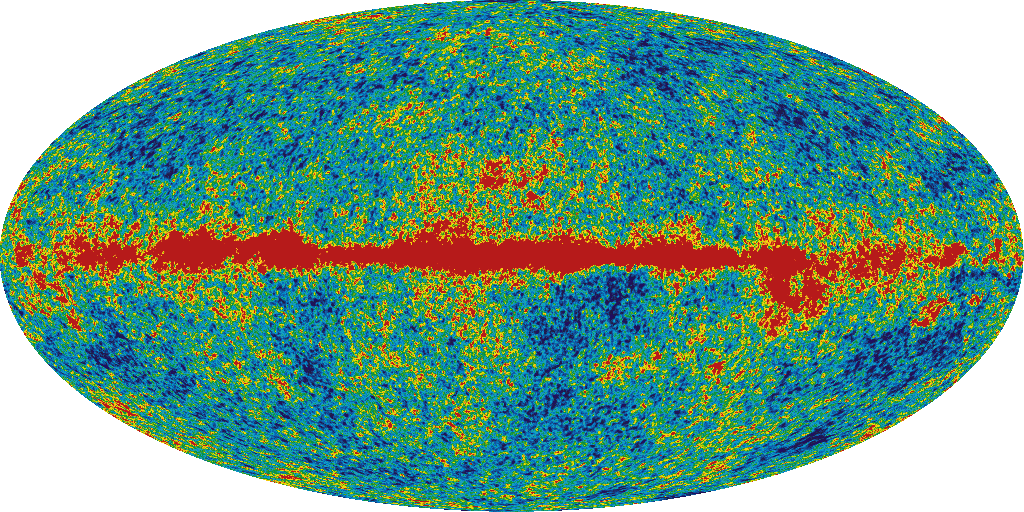
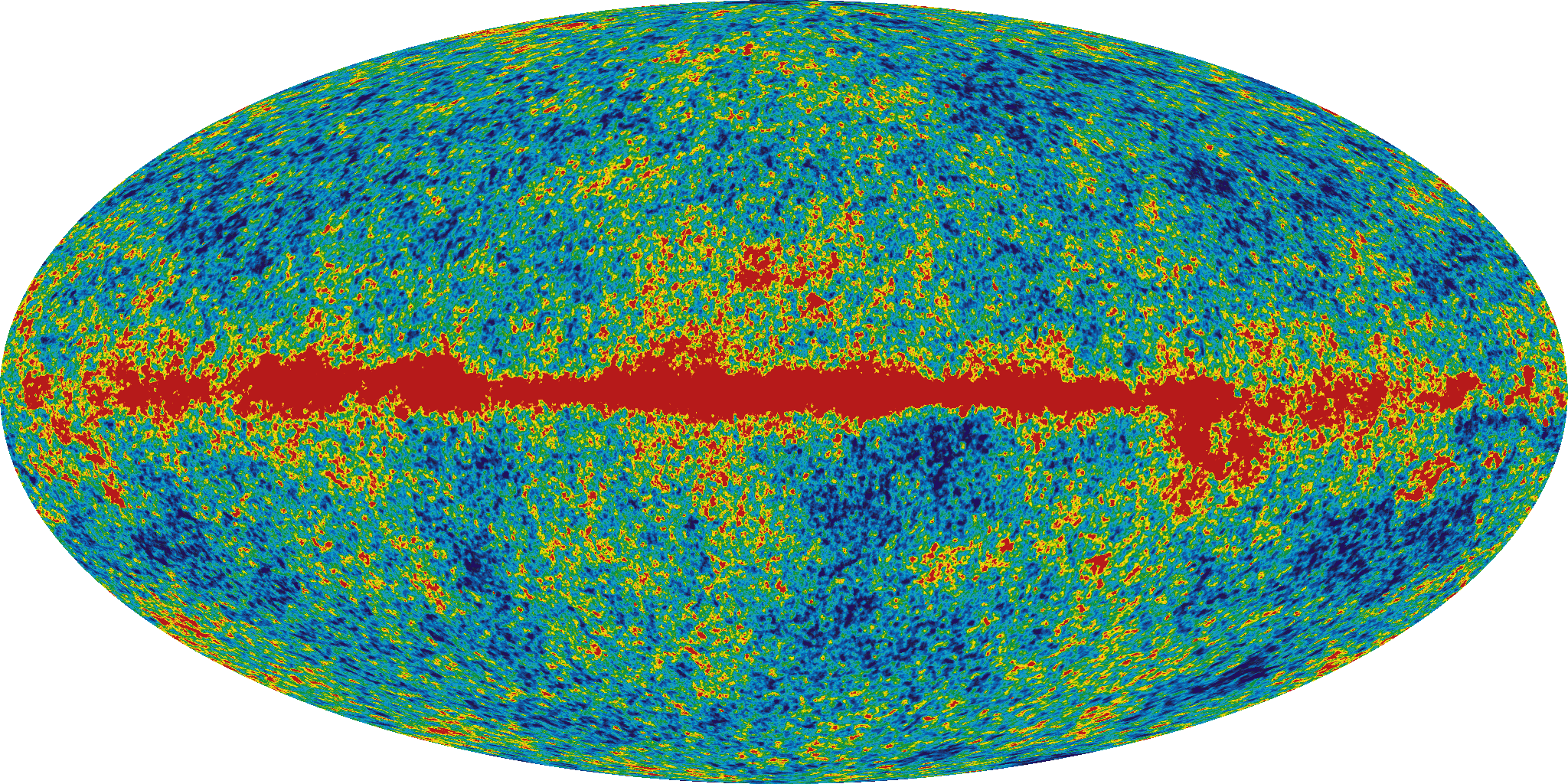
The images below represent full-sky maps of the cosmic microwave background anisotropy and foreground signal from our galaxy (in red). The 5 frequency maps are constructed from the differential time-ordered observations of the ten WMAP differencing assemblies. Galactic foreground is stongest in K band, weakest in V and W bands.
Please acknowledge the WMAP Science Team when using
these images.
K-Band Map (23 GHz) Linear scale from -200 to 200 uK
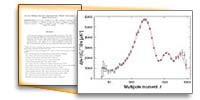
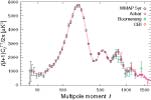
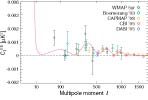
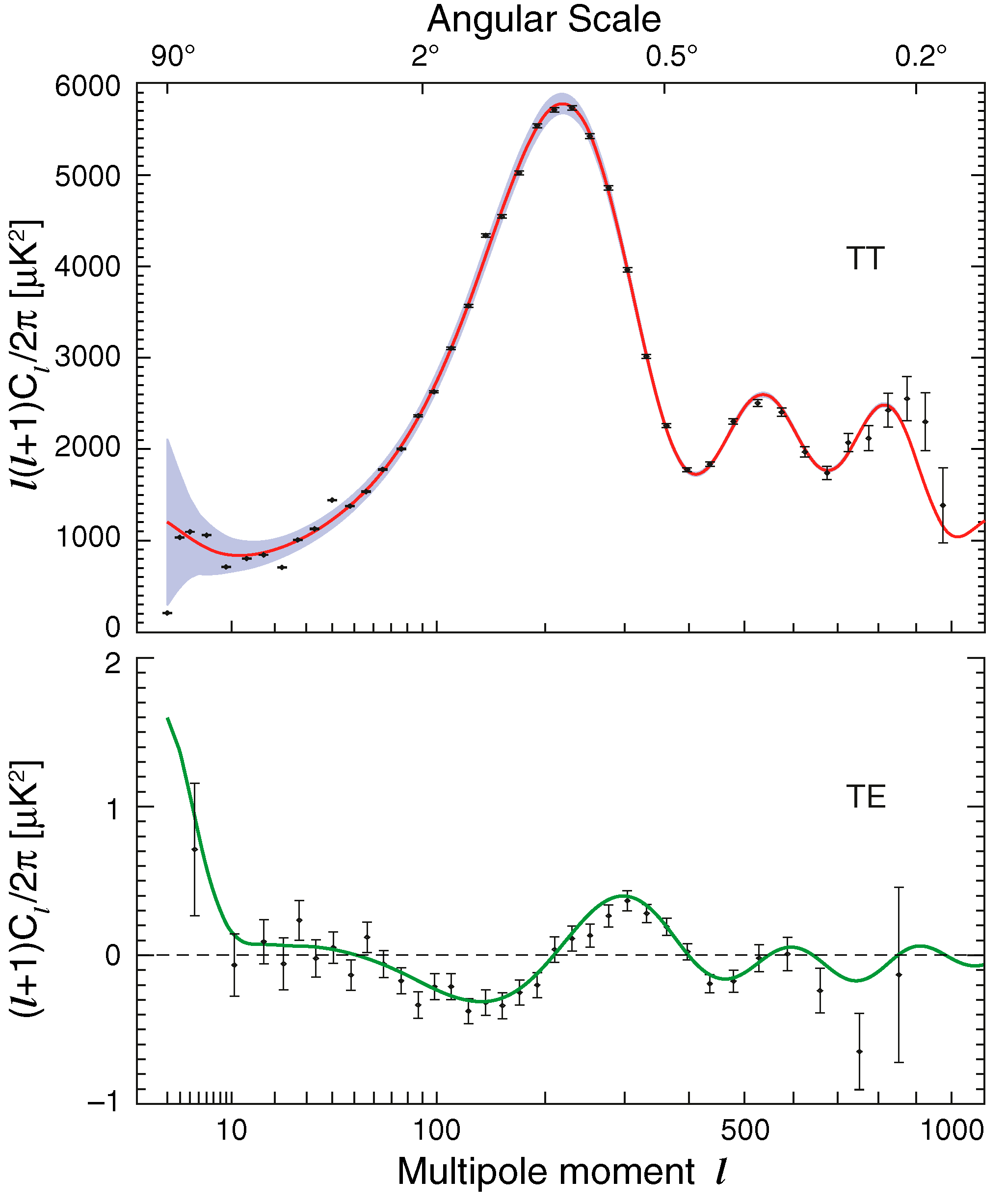
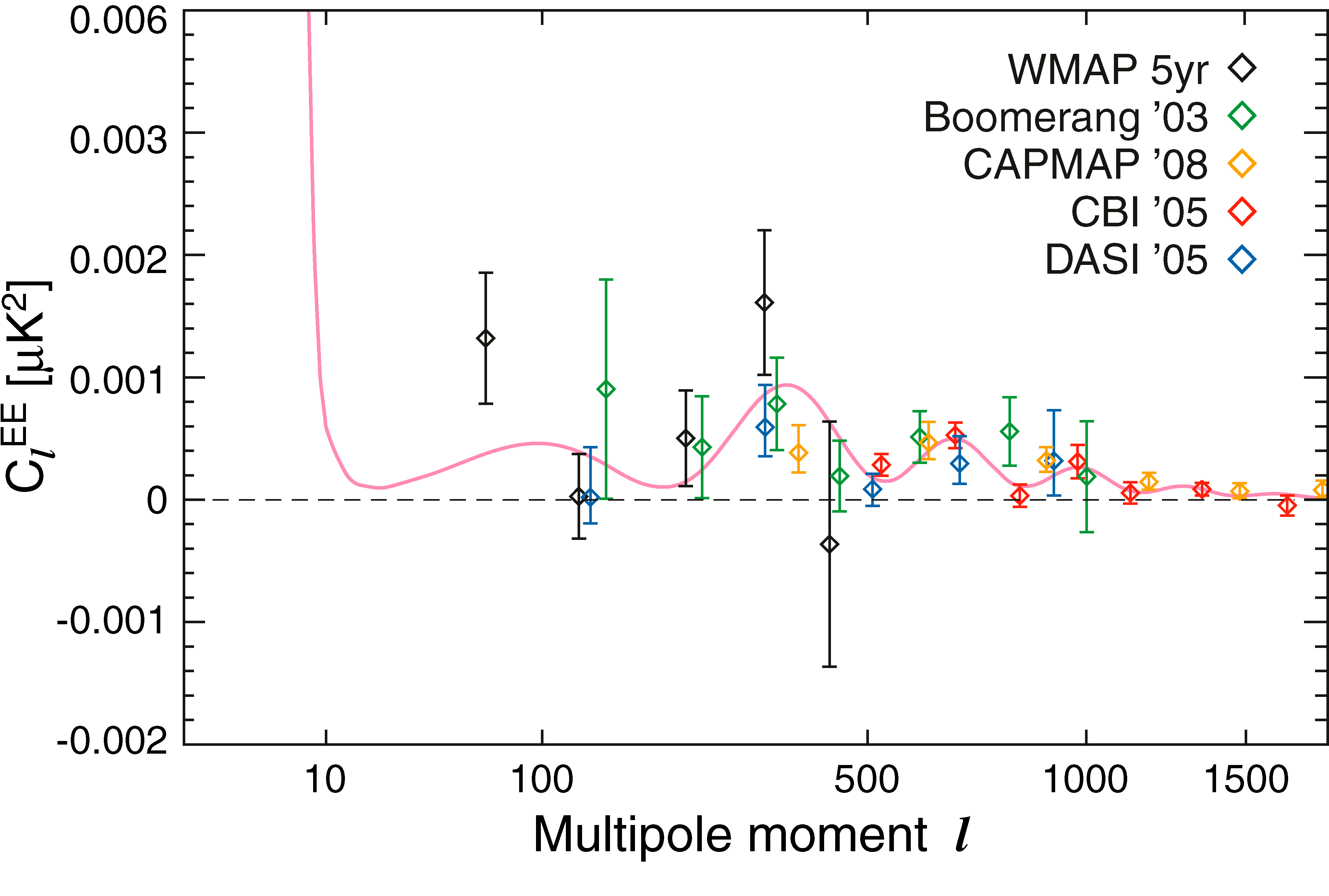
Temperature and polarization power spectra derived from the WMAP Five-year data. Data are represented as points, curves correspond to the best-fit LCDM model, and shaded regions delineate cosmic variance about the model.
Please acknowledge the WMAP Science Team when using
these images.
WMAP Five-year TT and TE Power Spectra See Fig. 13 of Hinshaw et al. (2008)
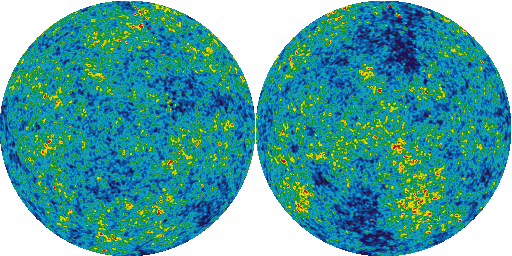
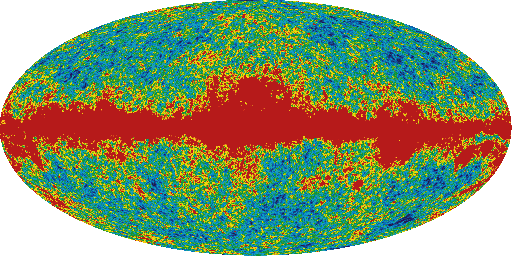
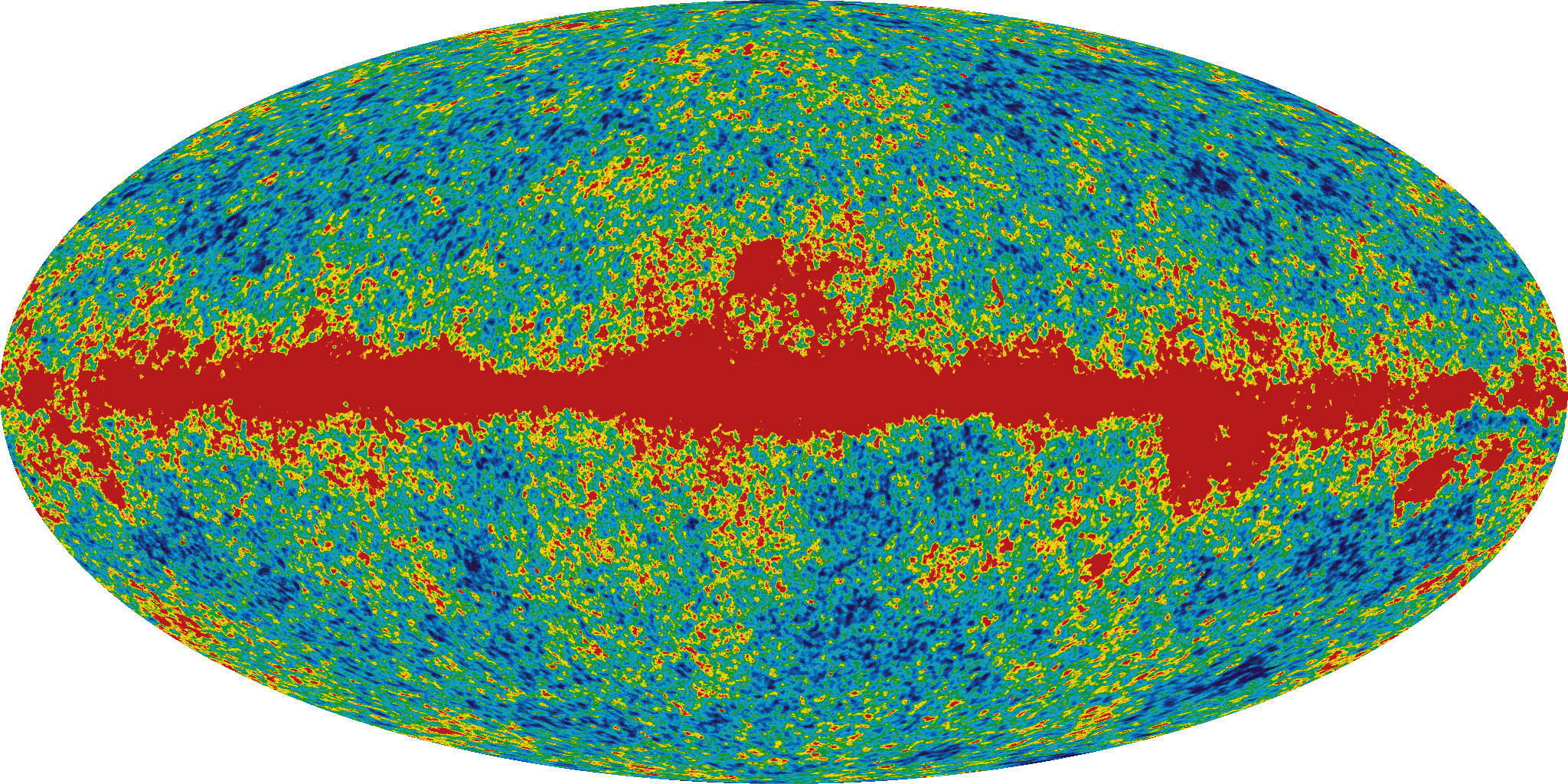
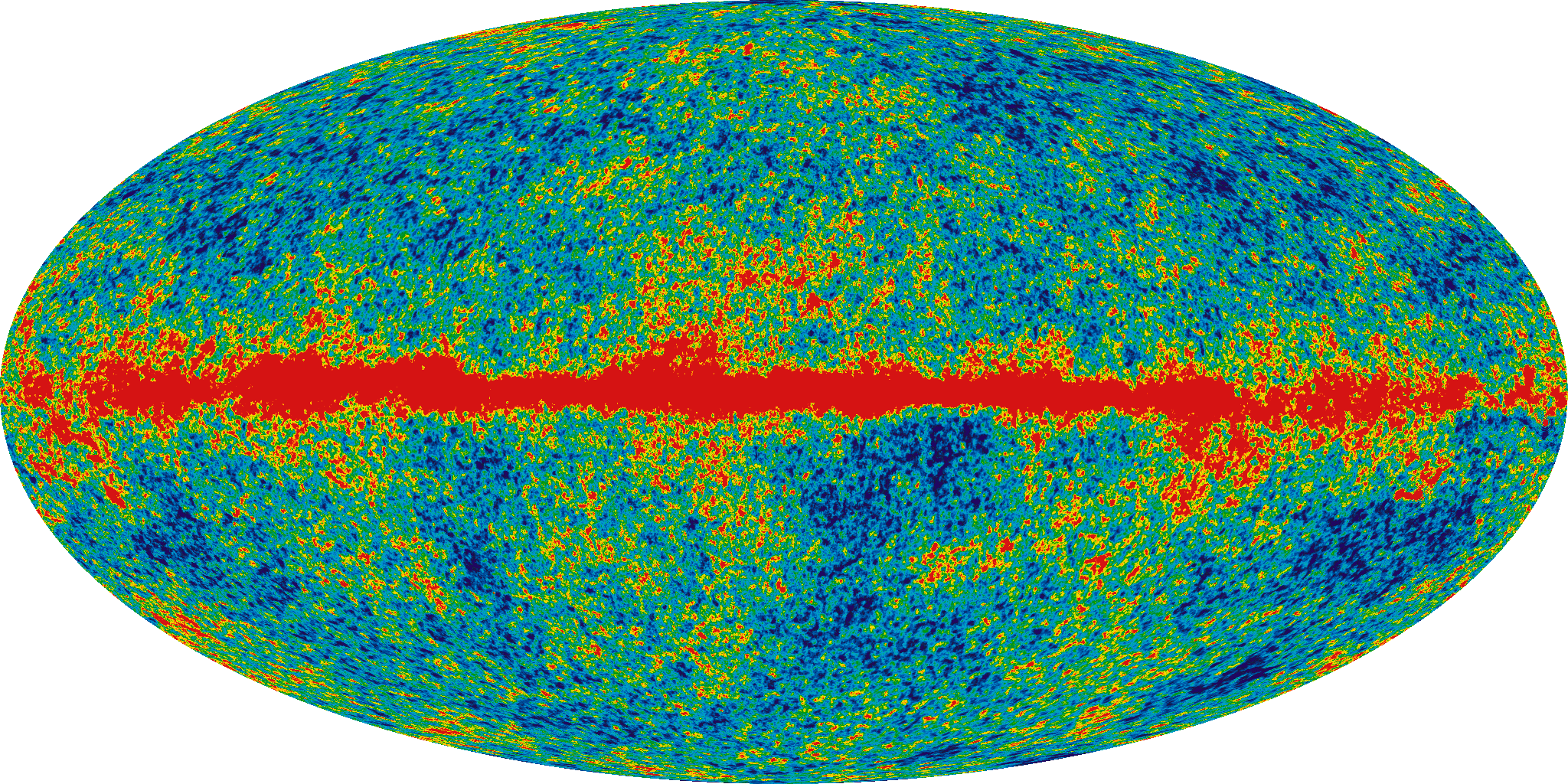
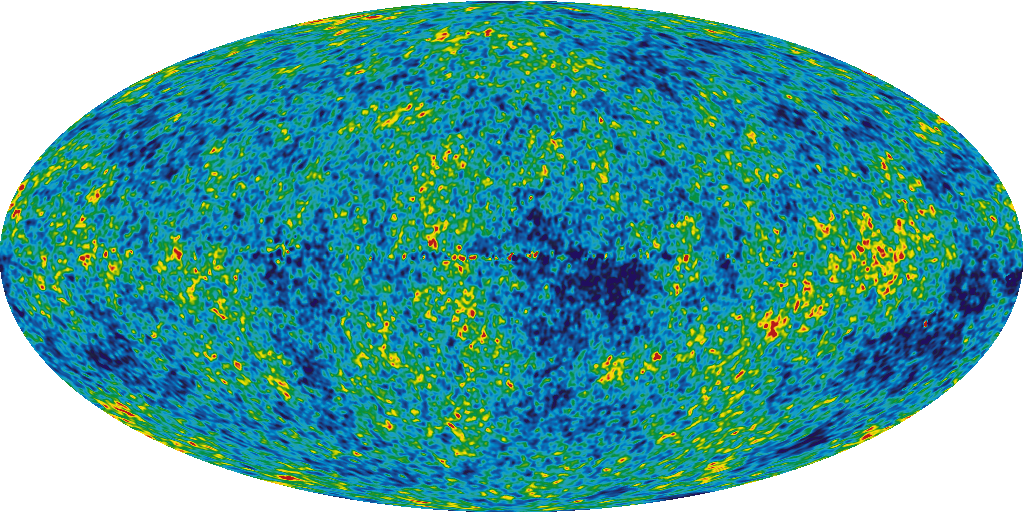
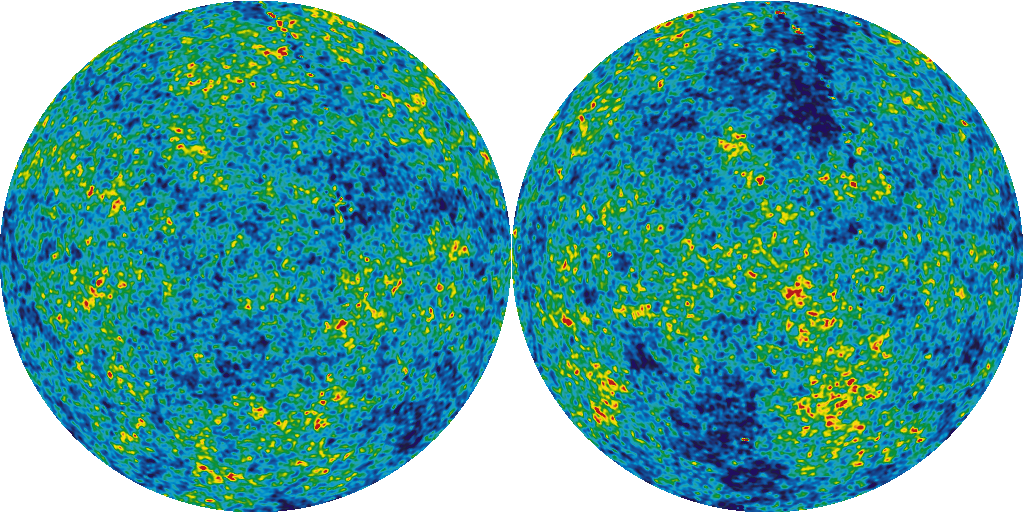
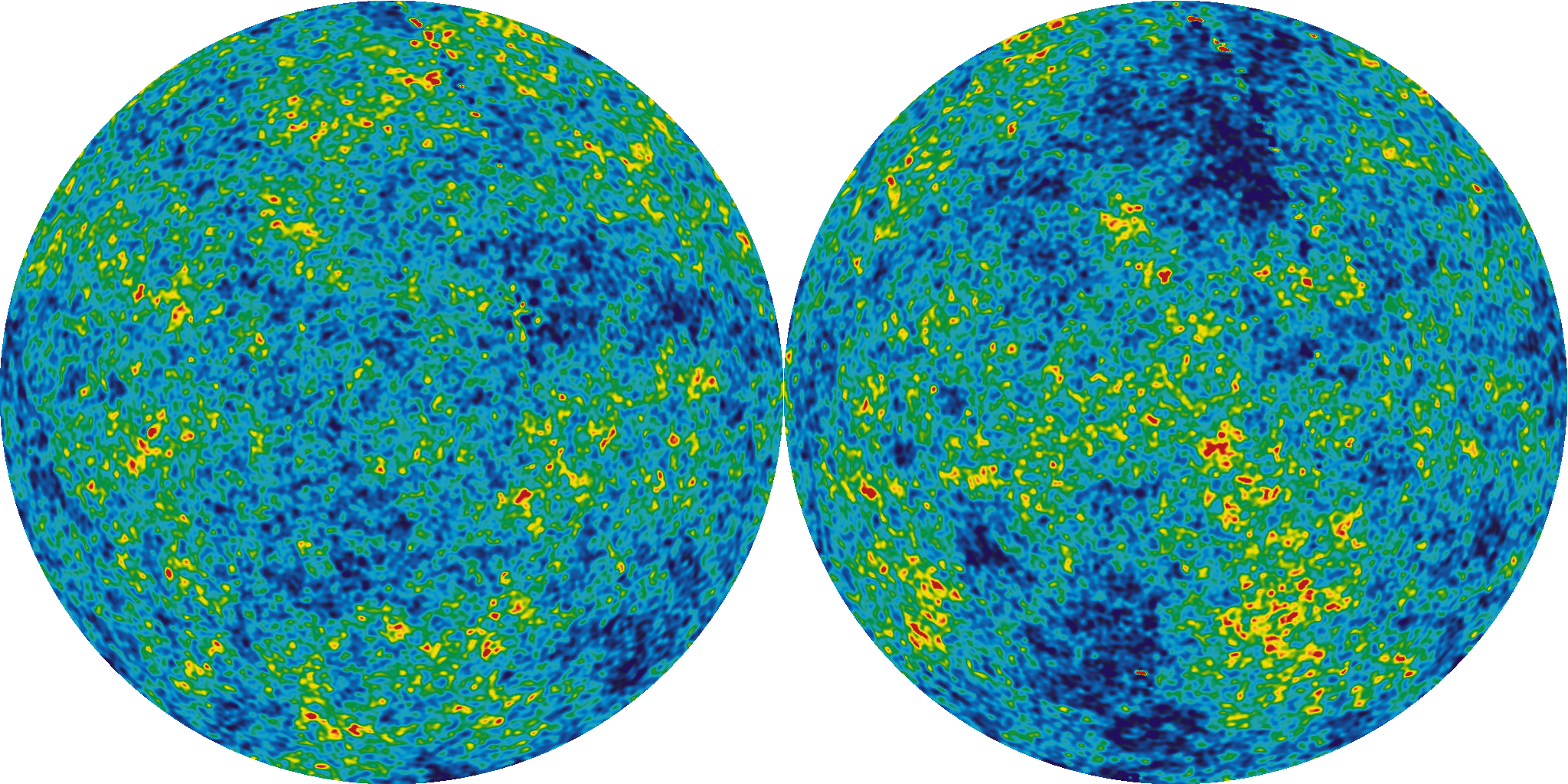
The Internal Linear Combination Map is a weighted linear combination of the five WMAP frequency maps. The weights are computed using criteria which minimize the Galactic foreground contribution to the sky signal. The resultant map provides a low-contamination image of the CMB anisotropy.
Please acknowledge the WMAP Science Team when using
these images.
Internal Linear Combination Map Galactic coordinates, Mollweide projection Linear scale from -200 to 200 uK
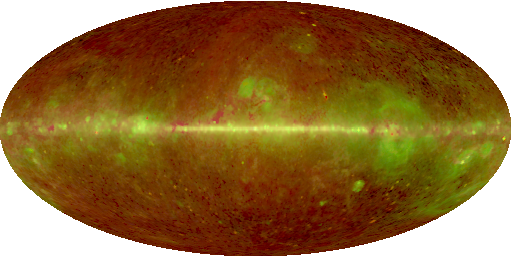
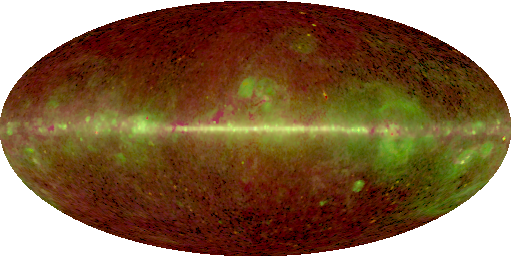
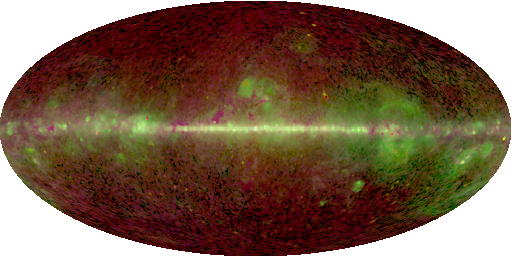
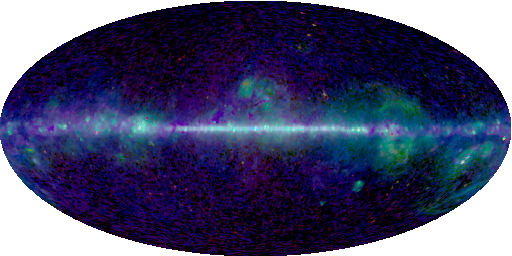
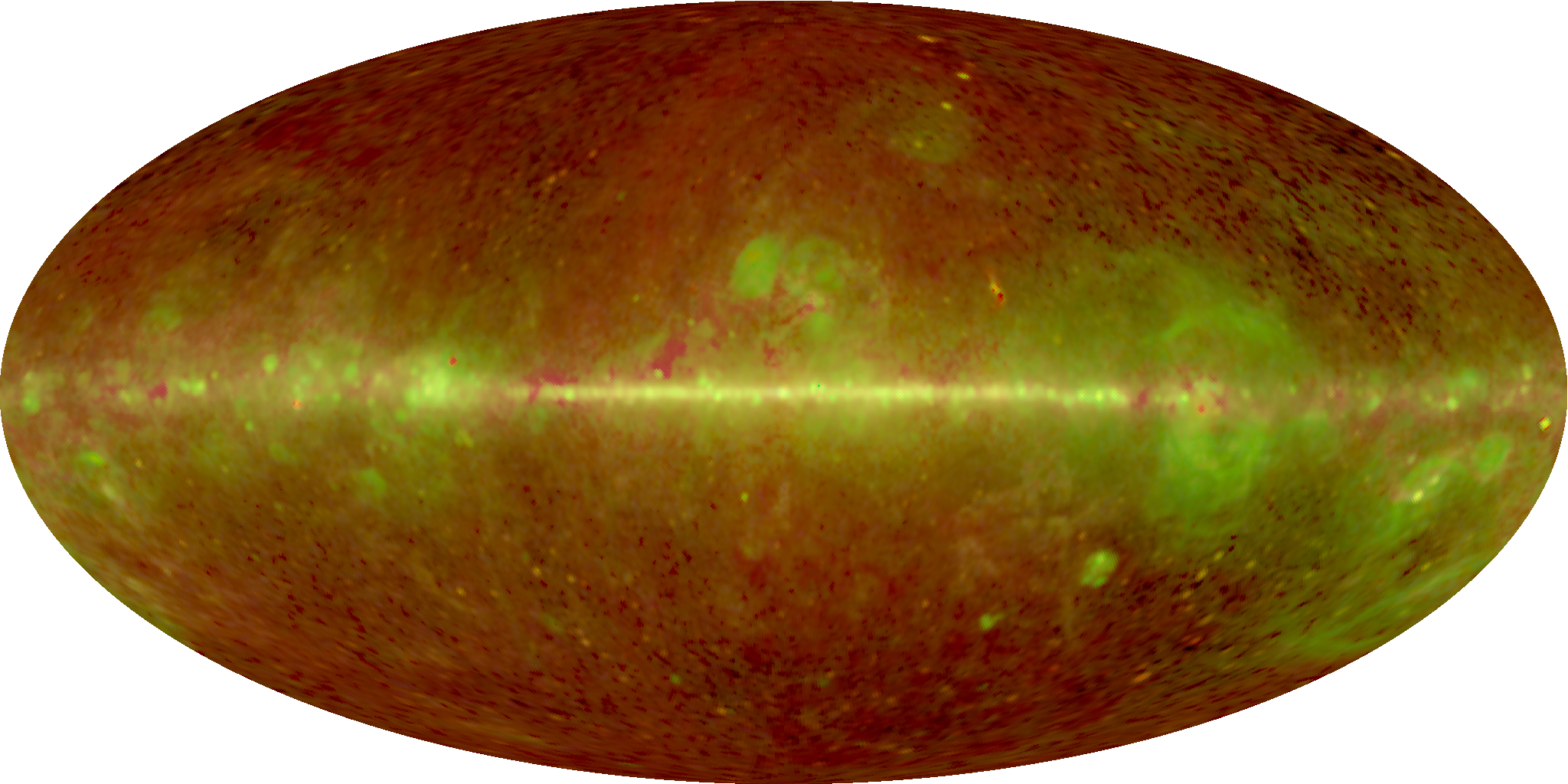
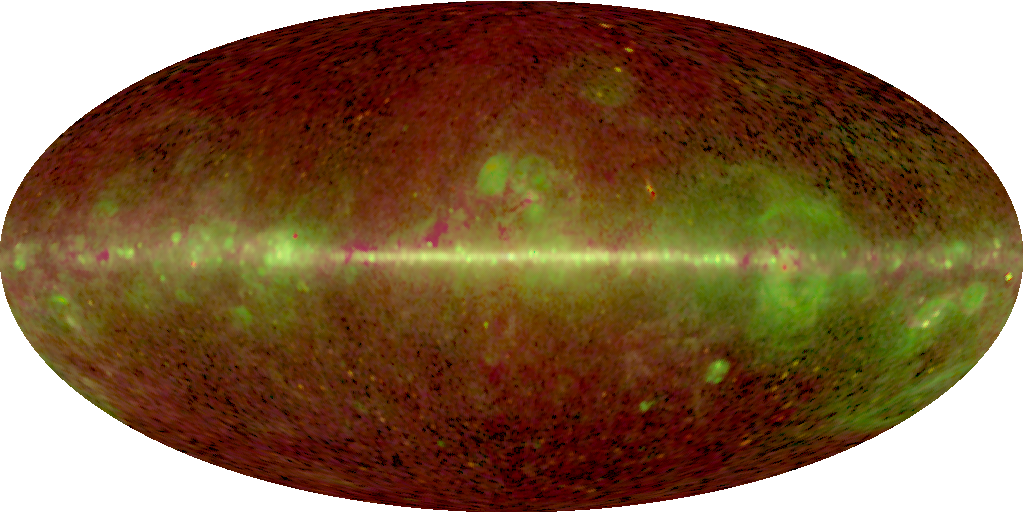
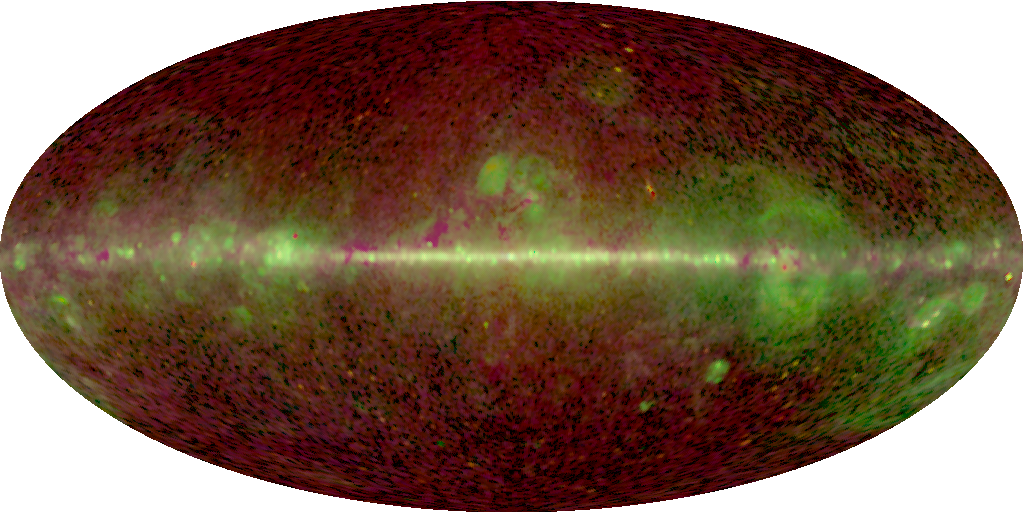
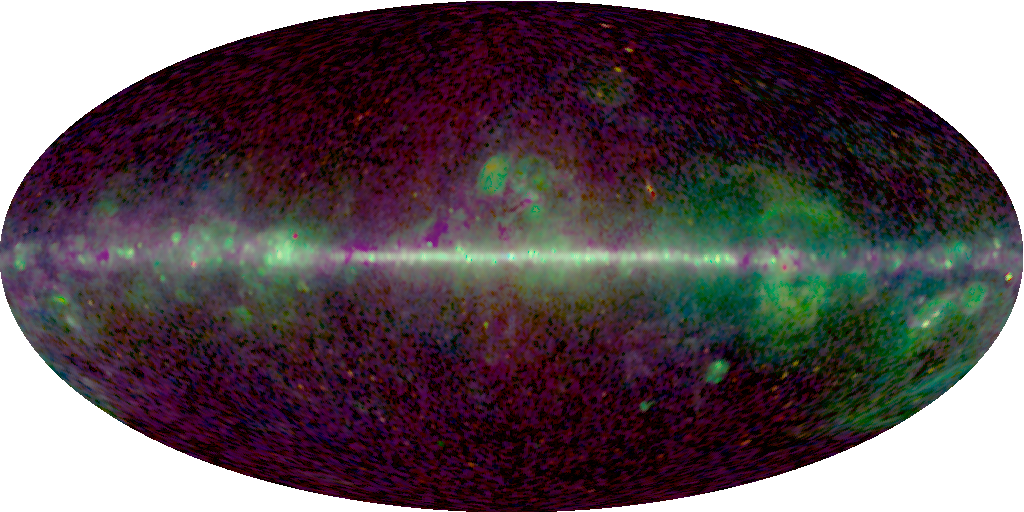
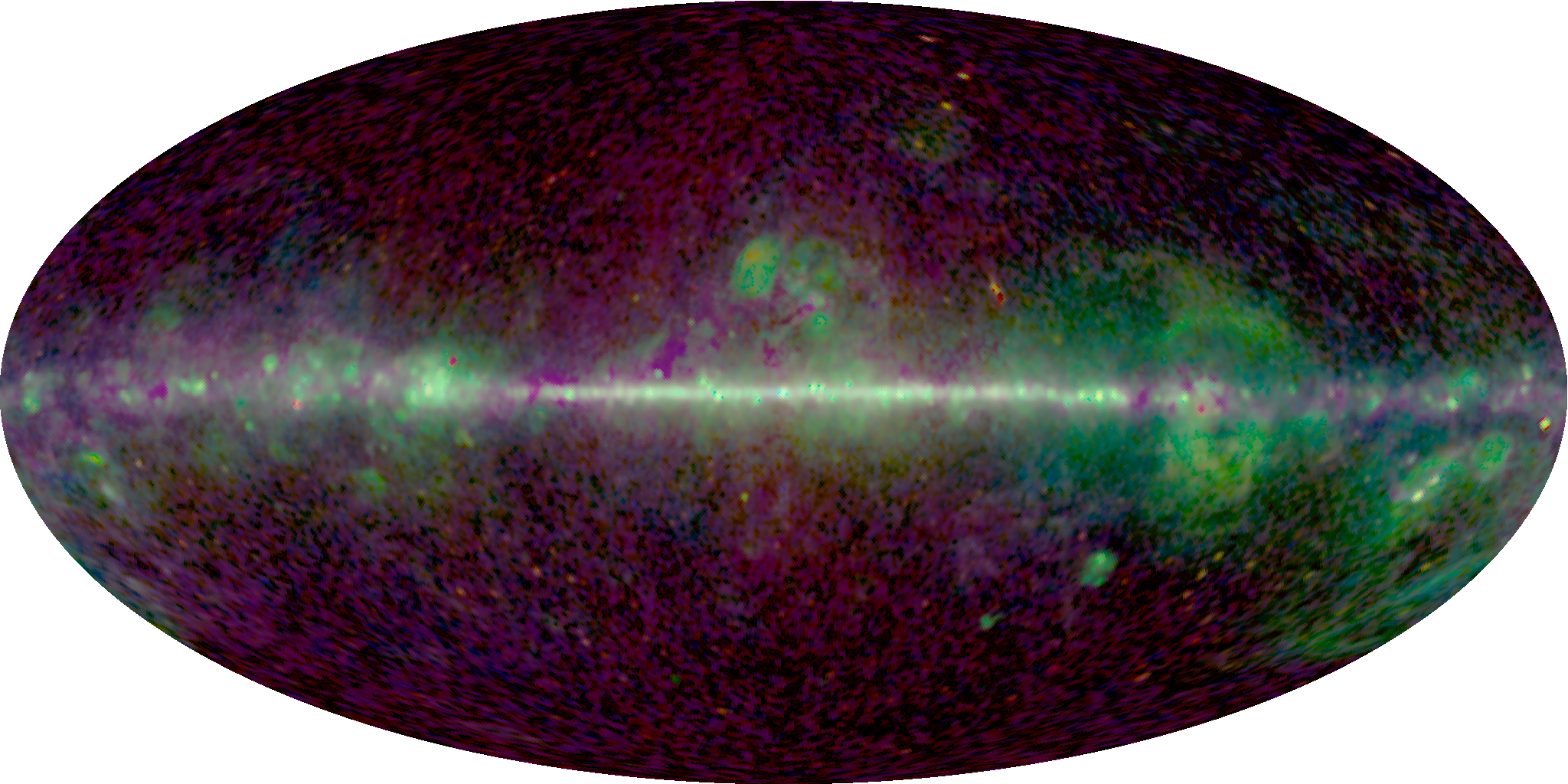
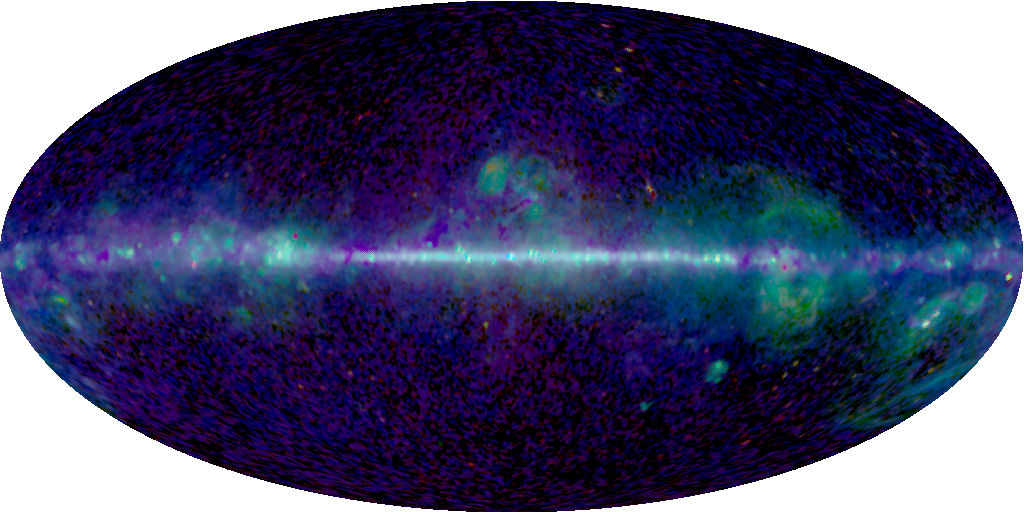
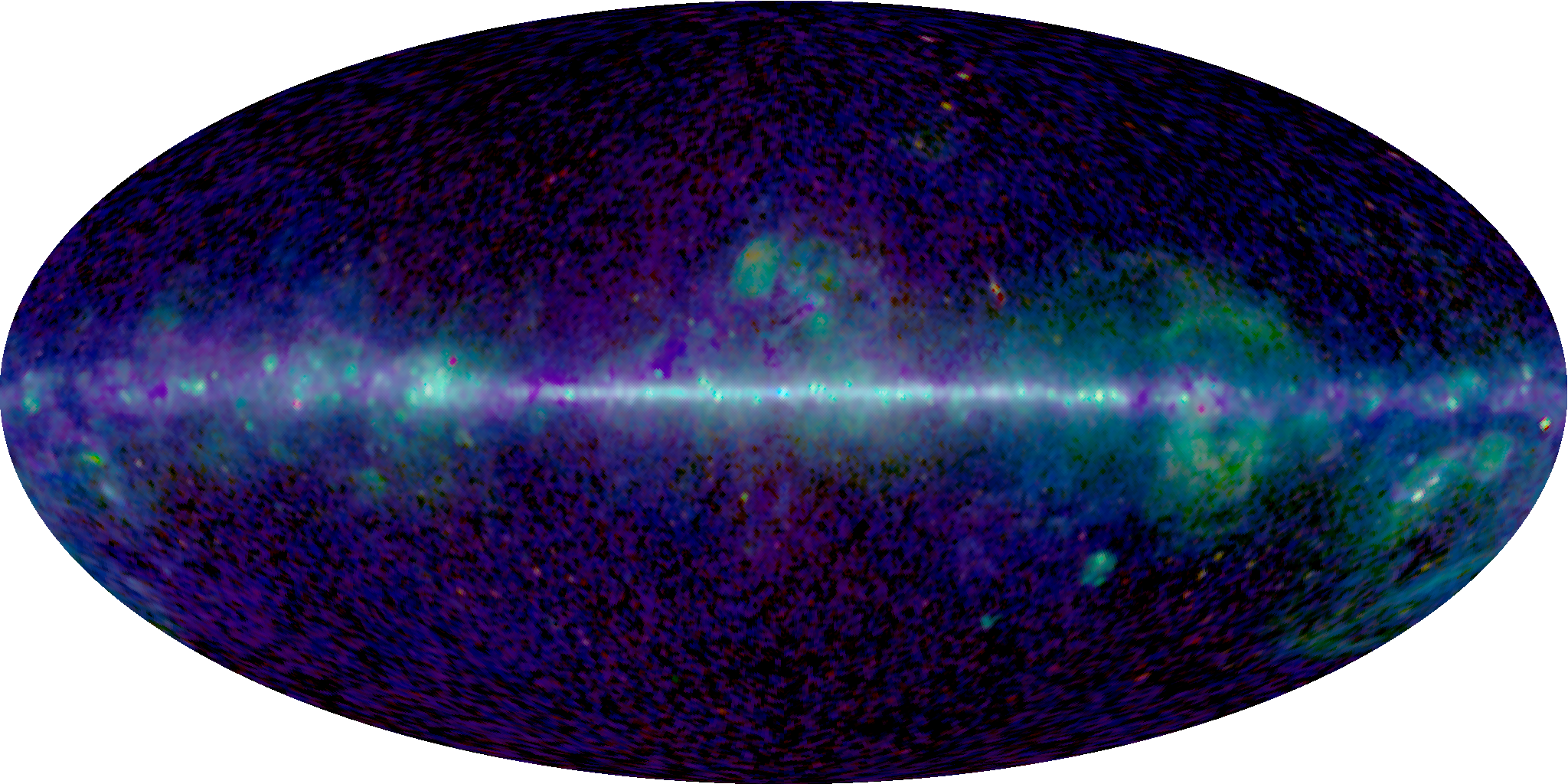
Three-color maps from the Maximum Entropy Method (MEM) model for the 5 WMAP frequency bands. These maps indicate which emission mechanism dominates as a function of frequency and sky position. Synchrotron is red, free-free is green, and thermal dust is blue.
Please acknowledge the WMAP Science Team when using
these images.