CBI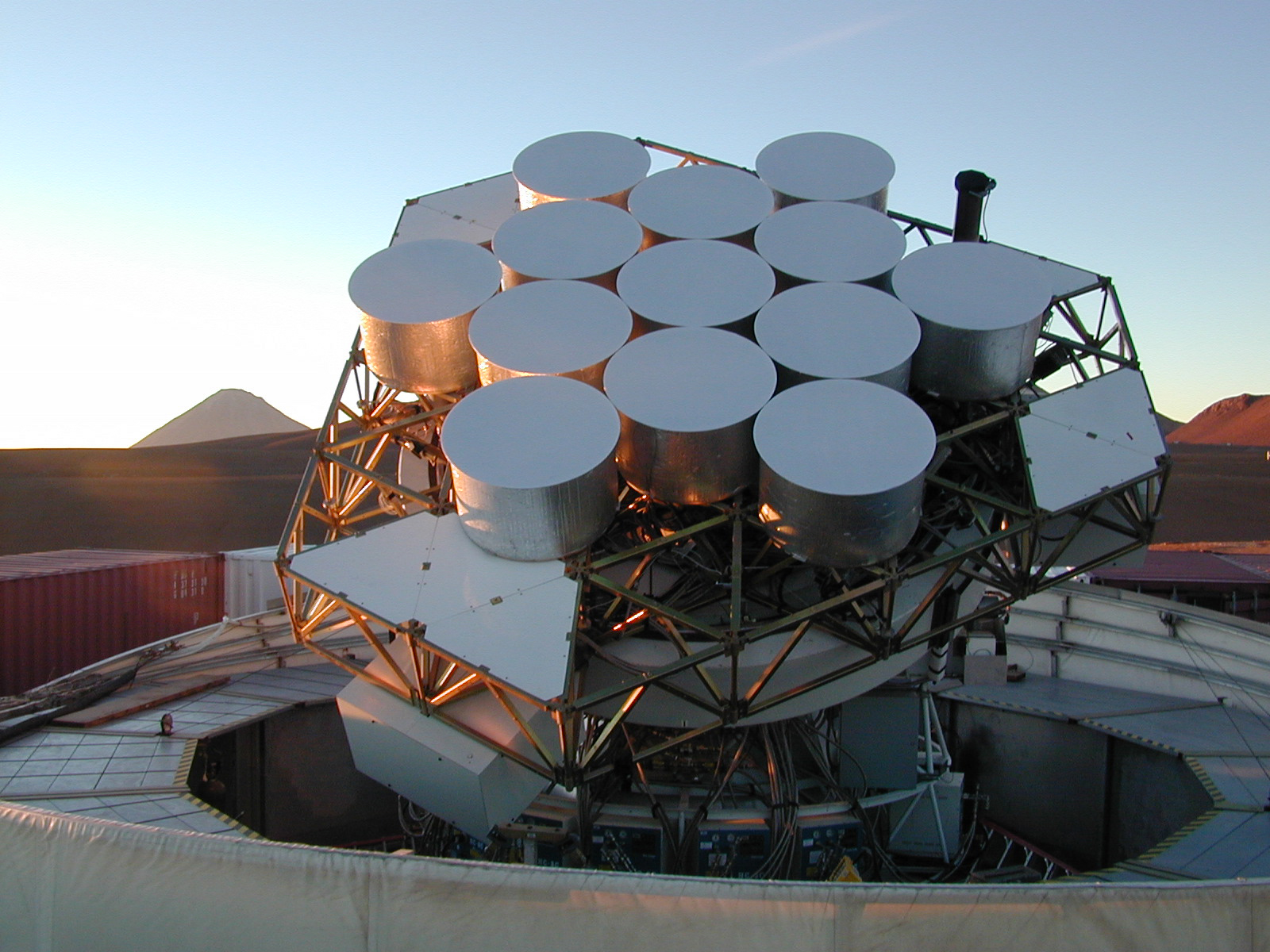
The Cosmic Background Imager.
more...
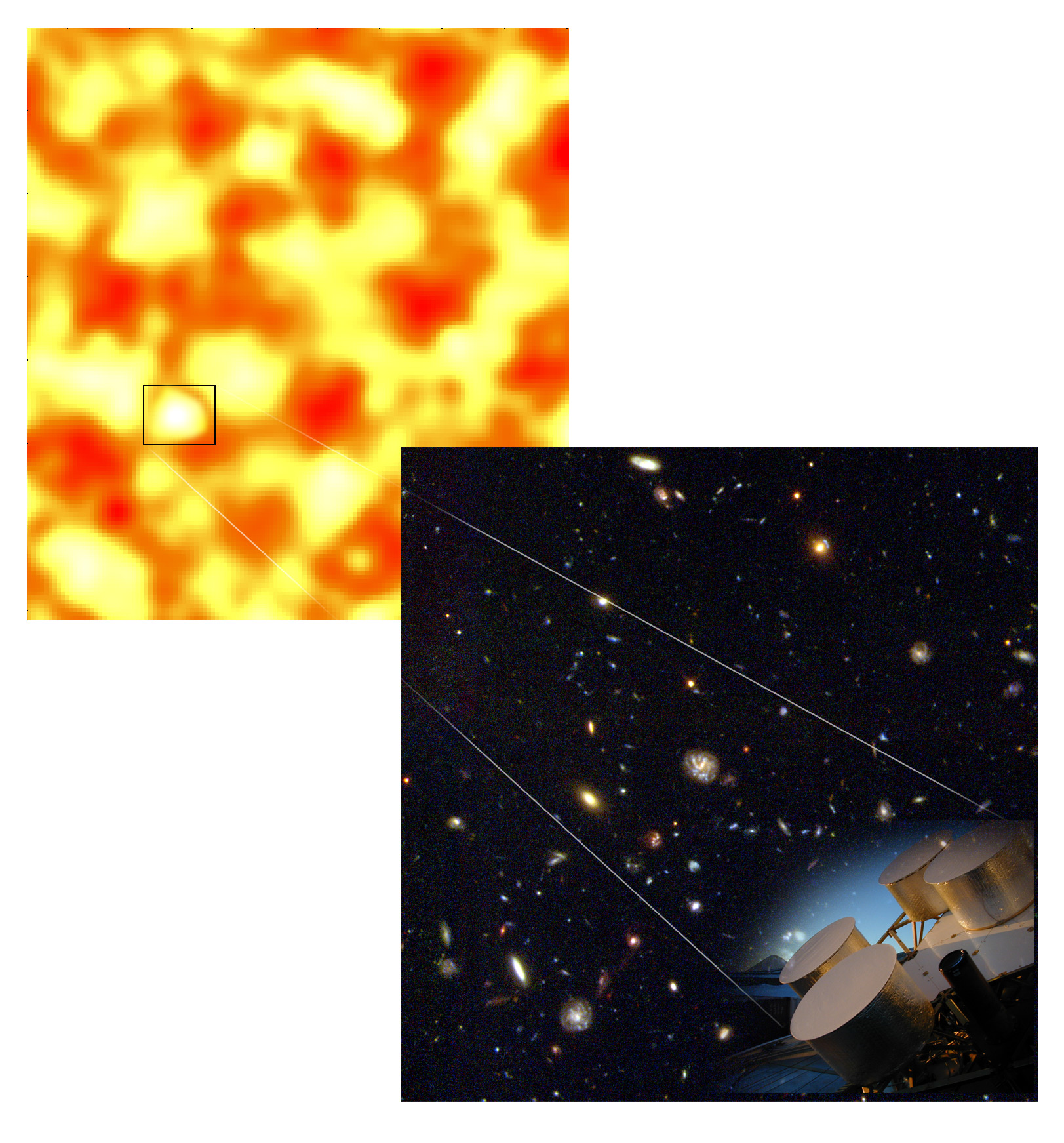
Seeds of galaxy clusters.
more...
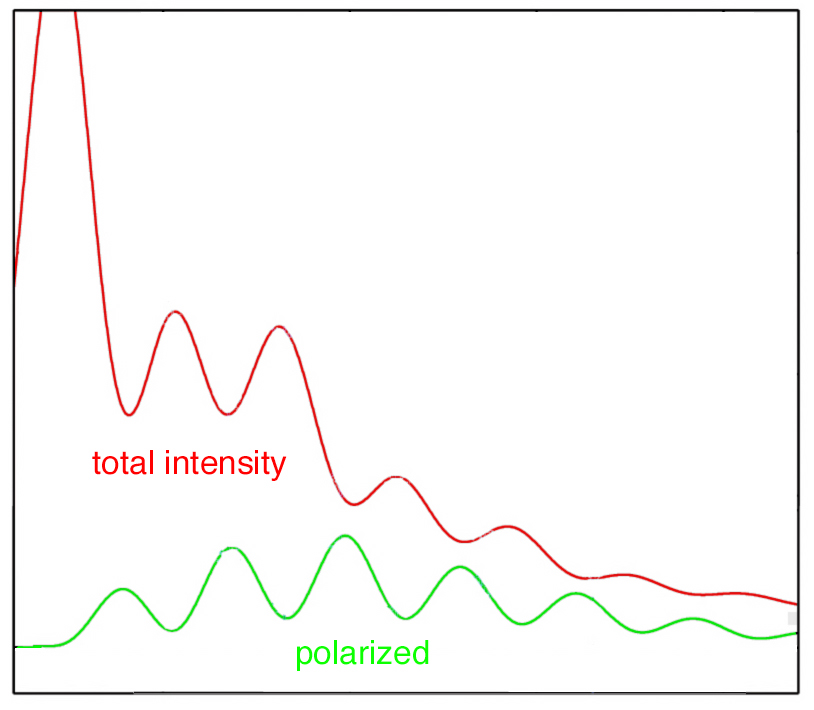
Power spectra.
more...
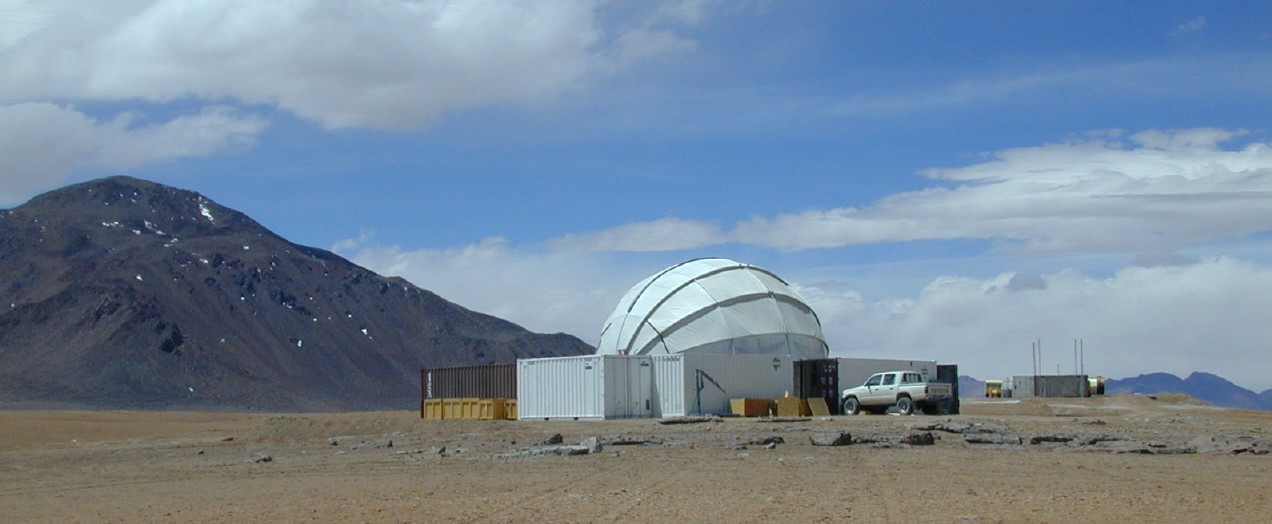
The CBI dome and support facilities on the Llano de Chajnantor.
more...
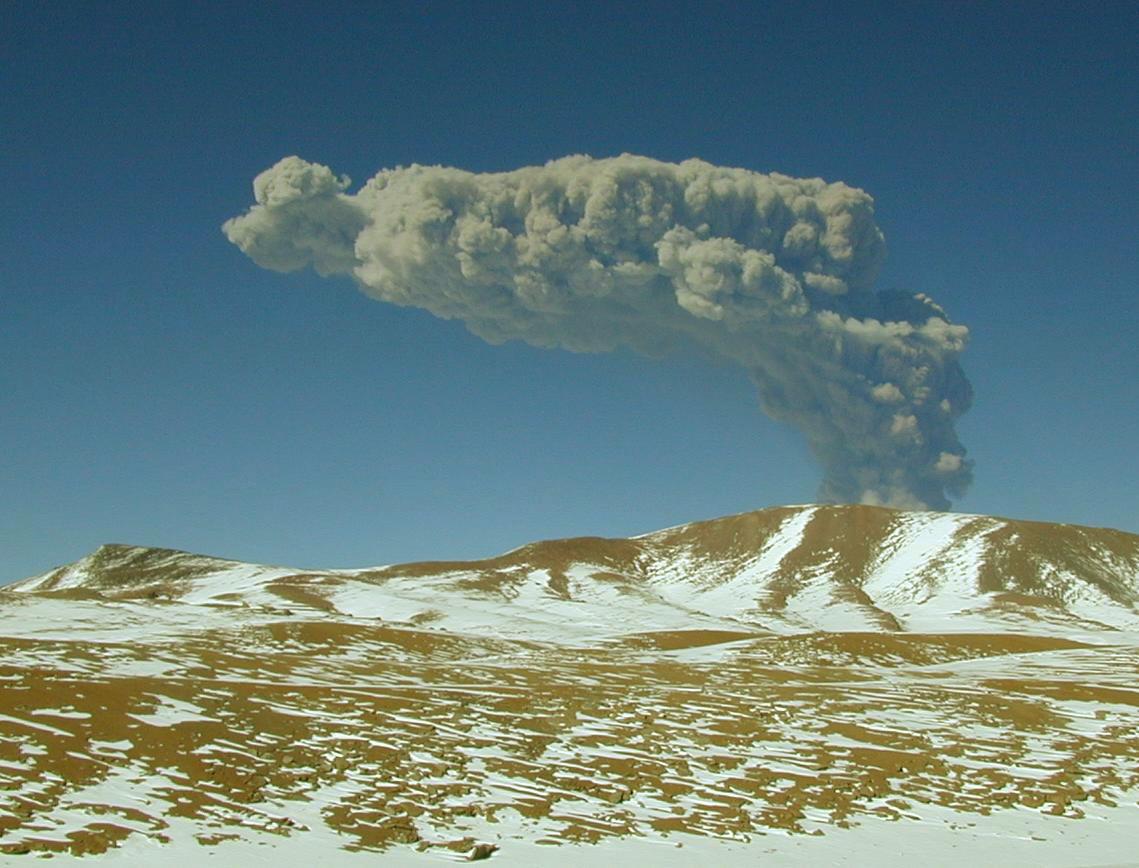
Volcán Lascar in eruption, 20 July 2000; view from the CBI.
more...
Images Courtesy of the Cosmic Background Imager TeamOverviewThe Cosmic Background Imager (CBI) was a special-purpose radio telescope designed to study the cosmic microwave background radiation from the early universe. It was located at an altitude of 5080 m (16,700 feet) in the Chilean Andes at the Chajnantor Observatory. The CBI was a 13-element interferometer mounted on a 6 meter platform operating in ten 1-GHz frequency bands from 26 GHz to 36 GHz. The instantaneous field of view of the instrument is 44 arcmin and resolution ranged from 4.5 to 10 arcmin. Observations from 2000 - 2001 focused primarily on intensity data. The instrument was upgraded in 2002 to optimize polatization performance, and observations in this new configuration continued into 2005. The spectral capabilities of the CBI were used to look for and separate diffuse foreground synchrotron, free-free, and dust emission from the interstellar medium in our Galaxy. Unresolved extragalactic sources were measured with the 40 meter telescope at the Owens Valley Radio Observatory, and subtracted from the CBI images. The CBI observed the Sunyaev-Zel'dovich scattering of background radiation photons by the hot electrons in clusters of galaxies. Measurements of this effect are used to study the properties of the hot cluster gas and the evolution of clusters, and to measure the Hubble constant directly. Experiment Information:
The archived CBI website can be viewed HERE. |